Recent Blog Posts
Fully Licensed, Bonded, and Insured
Certified Madewell Applicator
Unique, Trenchless Repair Methods
Request Lorem Epsom
Hero Request Form
Thank you for contacting us.
We will get back to you as soon as possible.
Please try again later.
New Title
New Title
Fully Licensed, Bonded, and Insured
Certified Madewell Applicator
Unique, Trenchless Repair Methods
Request Lorem Epsom
Hero Request Form
Thank you for contacting us.
We will get back to you as soon as possible.
Please try again later.
Strengthening Underground Networks Through Sewer Rehabilitation and Infrastructure Renewal
Underground Tech provides comprehensive sewer rehabilitation and wastewater infrastructure services throughout all of Oregon. As a locally owned and operated company with more than 20 years of industry experience, we've built our reputation on delivering efficient, reliable service when you need it most.
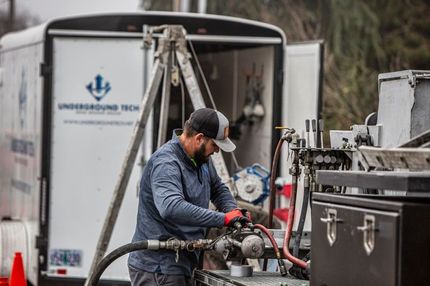
We're fully licensed, bonded, and insured, offering innovative trenchless repair methods that minimize disruption to properties throughout Oregon. As a certified Madewell applicator, we combine quality workmanship with cutting-edge technology to solve even the most challenging wastewater issues. Ready to restore your system? Contact us today.
Text
Msgs may be autodialed. Consent to texts not required to purchase our svcs. Msg. and data rates may apply.
Why Choose Us
Over 20 Years of Experience
Certified Madewell Applicator
Fully Licensed, Bonded, and Insured
Efficient, Professional Service
Quality Workmanship
Unique, Trenchless Repair Methods
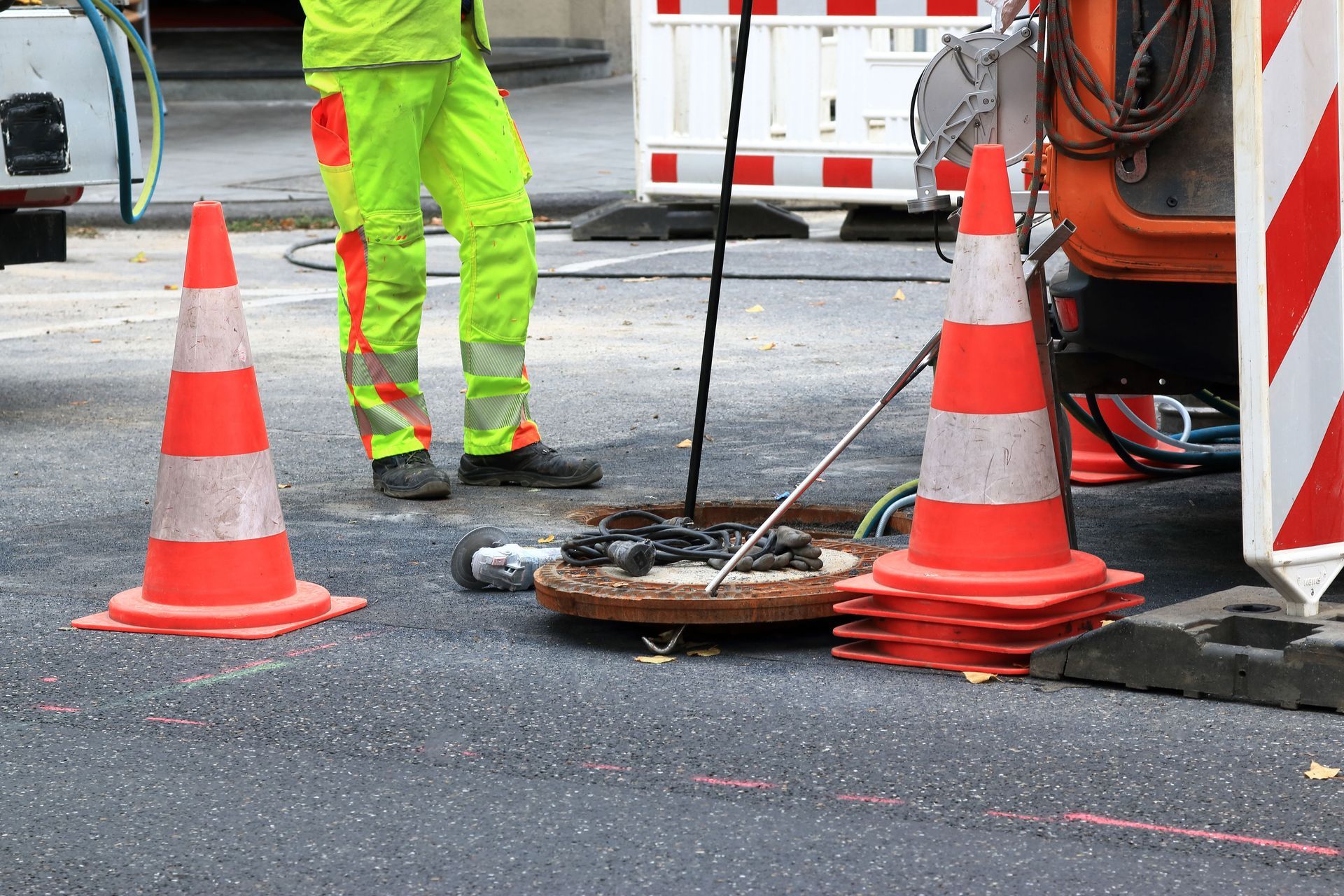
Our services for municipal sewer rehabilitation in OR restore aging or damaged pipelines without extensive excavation. As a certified Madewell applicator, we utilize advanced trenchless techniques that save you time and money while delivering long-lasting results throughout Oregon.
Small Title 11
Lorem ipsum lorem ipsum lorem ipsum lorem ipsum lorem ipsum lorem ipsum lorem ipsum lorem ipsum lorem ipsum lorem ipsum lorem ipsum lorem ipsum lorem ipsum
Small Title 12
Lorem ipsum lorem ipsum lorem ipsum lorem ipsum lorem ipsum lorem ipsum lorem ipsum lorem ipsum lorem ipsum lorem ipsum lorem ipsum lorem ipsum lorem ipsum
Small Title 13
Lorem ipsum lorem ipsum lorem ipsum lorem ipsum lorem ipsum lorem ipsum lorem ipsum lorem ipsum lorem ipsum lorem ipsum lorem ipsum lorem ipsum lorem ipsum
Small Title 14
Lorem ipsum lorem ipsum lorem ipsum lorem ipsum lorem ipsum lorem ipsum lorem ipsum lorem ipsum lorem ipsum lorem ipsum lorem ipsum lorem ipsum lorem ipsum
Small Title 15
Lorem ipsum lorem ipsum lorem ipsum lorem ipsum lorem ipsum lorem ipsum lorem ipsum lorem ipsum lorem ipsum lorem ipsum lorem ipsum lorem ipsum lorem ipsum
Here's what our satisfied customers are saying...
At Underground Tech, we take pride in providing exceptional sewer rehabilitation and wastewater infrastructure services to our customers. We would be grateful if you could share your thoughts about our business with others. Your feedback helps us improve and helps others make informed decisions. Please take a moment to leave a review of Underground Tech and let others know what you think.
Frequently Asked Questions
What are the most common signs that a municipal sewer line needs rehabilitation?
Municipal sewer systems may require rehabilitation when recurring blockages, slow wastewater flow, pipe corrosion, or structural deterioration become apparent. Other warning signs include sinkholes, sewage backups, excessive groundwater infiltration, and unexplained increases in wastewater treatment volumes. Municipalities may also identify cracks, root intrusion, or deteriorating pipe joints during routine inspections. Professionals specializing in municipal sewer rehabilitation in OR can evaluate these conditions and recommend appropriate solutions. Addressing problems early helps prevent more extensive damage, unexpected service interruptions, and costly emergency repairs. Regular inspections and maintenance planning allow municipalities to prioritize repairs and maintain dependable wastewater infrastructure.
Can municipal sewer rehabilitation be completed without disrupting wastewater service?
Many municipal sewer rehabilitation projects can be completed with minimal disruption to wastewater service, depending on the repair method and pipeline conditions. Trenchless techniques reduce the need for extensive excavation, allowing crews to access underground infrastructure through existing manholes or limited entry points. However, some projects require temporary flow diversion or bypass pumping to maintain wastewater movement during repairs. Contractors providing municipal sewer rehabilitation in WA can evaluate system requirements and develop plans that limit interruptions. Coordinating schedules, notifying affected properties, and establishing appropriate safety measures help municipalities maintain essential services while completing necessary infrastructure improvements efficiently and safely.
How do heavy rainfall and groundwater infiltration affect municipal sewer systems in Oregon and Washington?
Heavy rainfall and elevated groundwater levels can place additional pressure on municipal sewer systems throughout the Pacific Northwest. When water enters damaged pipes through cracks, loose joints, or deteriorated connections, wastewater treatment facilities may experience increased flow volumes. Excessive infiltration can contribute to capacity problems, backups, and higher operating expenses. Municipalities seeking municipal sewer rehabilitation in OR may use trenchless repair techniques to address damaged sections and reduce unwanted groundwater entry. Routine inspections, flow monitoring, and timely repairs help communities manage seasonal weather conditions while protecting wastewater infrastructure from further deterioration and maintaining reliable system performance.
What factors determine whether a municipal sewer pipe can be rehabilitated rather than replaced?
Several factors influence whether an existing municipal sewer pipe is suitable for rehabilitation. Professionals evaluate the pipe's material, diameter, structural condition, alignment, and extent of deterioration. Minor cracks, corrosion, and leaking joints may be addressed through trenchless rehabilitation methods, while severely collapsed or extensively deformed pipes may require replacement. Accessibility, surrounding utilities, and project costs also influence the decision. Contractors experienced in municipal sewer rehabilitation in WA can perform inspections and recommend solutions based on actual pipeline conditions. A thorough assessment helps municipalities select appropriate repair methods, minimize unnecessary excavation, and make informed infrastructure investment decisions.
How does sewer rehabilitation help municipalities reduce inflow and infiltration?
Inflow and infiltration occur when stormwater or groundwater enters sanitary sewer systems through unintended openings or connections. These additional flows can overwhelm pipelines, increase treatment costs, and contribute to sanitary sewer overflows. Rehabilitation methods can address cracks, deteriorated joints, and other defects that allow groundwater to enter underground infrastructure. Municipalities planning municipal sewer rehabilitation in OR may use inspection findings to identify problem areas and prioritize necessary repairs. However, rehabilitation must also account for defective service connections and other sources of unwanted water. Reducing excess flows helps improve system capacity, operational efficiency, and long-term wastewater management.
How are rehabilitated municipal sewer lines inspected and tested after repairs?
After rehabilitation, municipal sewer lines typically undergo inspections and testing to verify that repairs meet project requirements. Closed-circuit television inspections can help identify remaining defects, installation irregularities, or potential obstructions. Depending on the rehabilitation method and applicable specifications, additional testing may evaluate structural integrity, leakage, or material performance. Contractors performing municipal sewer rehabilitation in WA should document completed work and provide relevant inspection findings for municipal review. These records help public works departments assess repair quality, maintain accurate infrastructure information, and plan future maintenance. Proper verification supports reliable wastewater system operation and helps identify concerns requiring additional attention.
What types of manhole damage can municipal sewer rehabilitation in WA address?
Professional manhole rehabilitation can address several problems affecting underground wastewater structures, including corrosion, cracks, deteriorating concrete, leaking joints, and weakened interior surfaces. These conditions often develop because of prolonged moisture exposure, chemical reactions, and aging materials. Rehabilitation typically involves cleaning the structure, stopping active leaks, applying restoration mortar, and adding protective coatings. Professionals providing municipal sewer rehabilitation in OR can evaluate these conditions and recommend appropriate treatments to restore structural integrity while reducing the risk of further deterioration. Depending on the manhole's condition, rehabilitation may provide a practical alternative to complete replacement. Regular inspections help municipalities identify developing problems and determine when structural repairs or protective treatments are necessary.
How can manhole rehabilitation improve municipal wastewater system performance?
Manhole rehabilitation helps municipalities address structural deterioration, groundwater infiltration, and corrosion that can compromise wastewater infrastructure. Damaged manholes may allow unwanted water to enter sewer systems, increasing treatment volumes and placing additional strain on underground networks. Rehabilitation techniques can include sealing leaks, repairing deteriorated surfaces, and applying protective coatings to improve durability. Contractors providing municipal sewer rehabilitation in WA can evaluate manhole conditions and recommend appropriate restoration methods. Addressing these problems helps municipalities reduce maintenance demands, improve system reliability, and protect surrounding infrastructure. Regular inspections also help identify developing issues before they require more extensive repairs or replacement.
When is centrifugally cast concrete pipe rehabilitation suitable for municipal sewer rehabilitation in OR?
Centrifugally cast concrete pipe rehabilitation may be appropriate for deteriorating pipelines, culverts, and other underground structures that need additional structural support. This method involves applying specialized cementitious material to the interior of an existing pipe, creating a new lining without requiring complete replacement. Professionals evaluate the pipe's dimensions, accessibility, structural condition, and existing damage before recommending this approach. Municipalities considering municipal sewer rehabilitation in WA may benefit from this technique when conventional excavation would cause significant disruption. Proper surface preparation and application are essential for successful results. The completed lining can help restore structural performance and extend infrastructure service life. Routine inspections following rehabilitation can help municipalities monitor the lining's condition and identify potential maintenance needs before significant problems develop.
Recent Blog Posts